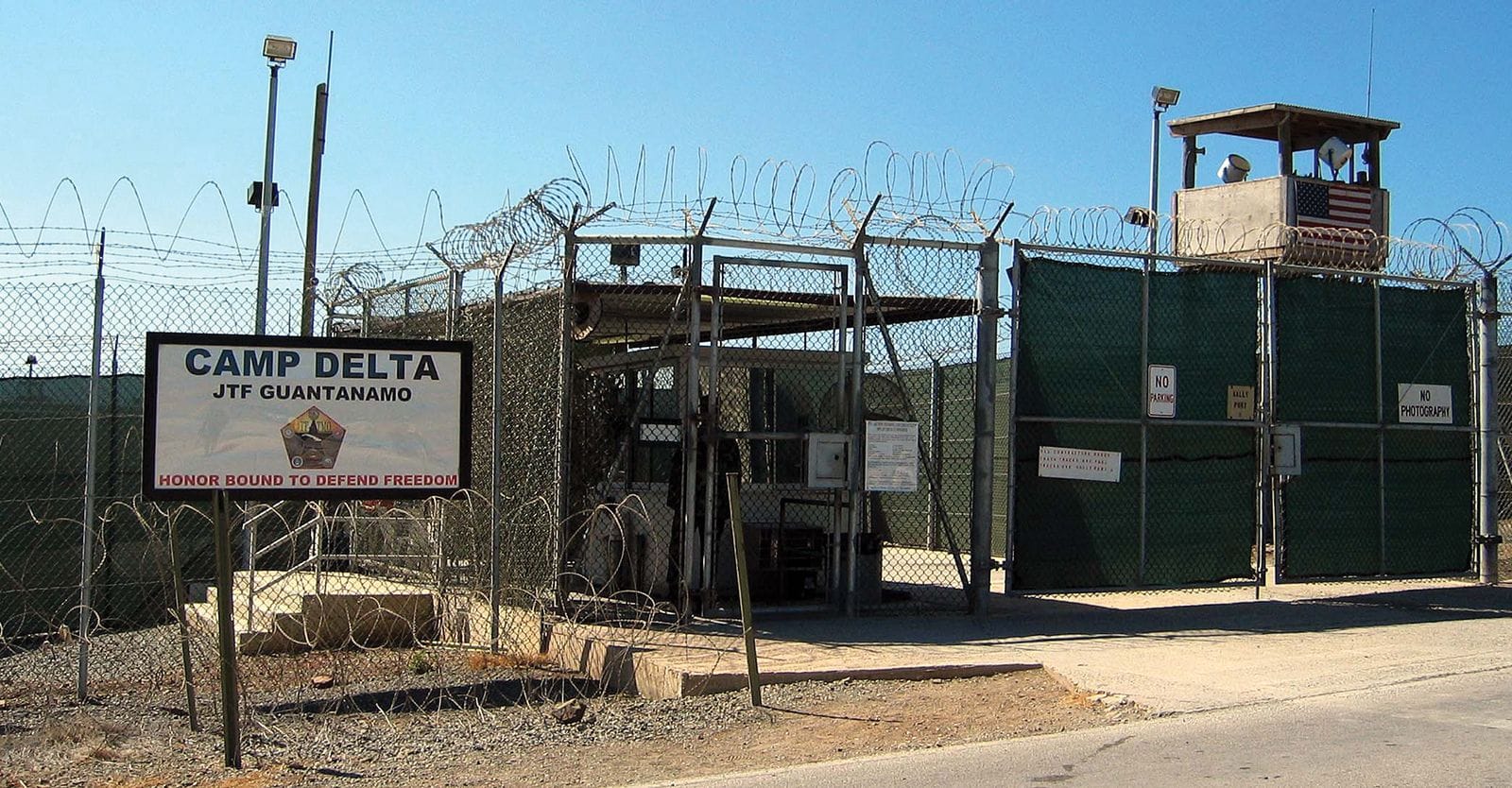
The Biden administration has taken a notable step in its efforts to address the long-standing issue of detainees held at the Guantanamo Bay detention facility by facilitating the resettlement of 11 individuals to Oman. This transfer is part of a broader initiative to close the facility, which has faced significant scrutiny and criticism over its existence and the treatment of detainees.
Guantanamo Bay has been a focal point of controversy since it was established in the aftermath of the September 11 attacks. The detention center was created to hold individuals suspected of terrorism-related activities, but over the years, it has become synonymous with allegations of human rights violations, indefinite detention, and lack of due process. Many detainees have been held for years without trial, leading to calls from human rights organizations and advocates for the closure of the facility.
The recent transfer of 11 detainees to Oman represents a significant milestone in the Biden administration’s approach to handling the complex issue of Guantanamo. The administration has expressed a commitment to reducing the number of detainees at the facility and finding appropriate solutions for those who have been cleared for release. This move aligns with President Biden’s stated goal of closing Guantanamo Bay, a promise he has reiterated throughout his political career.
The individuals resettled in Oman had been held at Guantanamo for varying lengths of time, with some having been detained for nearly two decades. The administration’s decision to transfer these detainees to Oman reflects careful consideration of their cases and the potential for successful reintegration into society. Oman has a history of accepting former Guantanamo detainees, and its government has expressed willingness to provide support for their resettlement.
This transfer is not only significant for the individuals involved but also serves as a broader signal of the United States’ commitment to addressing human rights issues associated with Guantanamo Bay. The Biden administration has faced pressure from both domestic and international stakeholders to take action on this matter, and the resettlement of these detainees may help alleviate some of that pressure.
In addition to the humanitarian implications of this transfer, it also raises questions about the future of Guantanamo Bay and the remaining detainees. As of now, the facility continues to hold a small number of individuals, many of whom have been cleared for release but remain detained due to various legal and political complexities. The administration’s actions in resettling these 11 detainees may pave the way for further transfers and ultimately contribute to the closure of the facility.
The resettlement process for detainees is often fraught with challenges, including concerns about security, integration, and the potential for recidivism. The Biden administration has emphasized the importance of thorough assessments and collaboration with international partners to ensure that resettled individuals can successfully reintegrate into their new communities. Oman’s acceptance of these detainees is indicative of a cooperative approach to addressing the challenges posed by the resettlement of former detainees.
Furthermore, the transfer of these individuals may have implications for U.S. foreign relations, particularly with countries in the Middle East. By working with Oman, the Biden administration demonstrates a willingness to engage with regional partners in addressing complex issues related to security and human rights. This collaborative approach may enhance diplomatic relations and foster a sense of shared responsibility among nations in dealing with the aftermath of the War on Terror.
As the Biden administration continues to navigate the complexities of Guantanamo Bay and the broader implications of its detention policies, the resettlement of these 11 individuals marks a significant step forward. It underscores the administration’s commitment to human rights and the rule of law while also addressing the practical realities of dealing with long-term detainees.
In conclusion, the transfer of 11 detainees from Guantanamo Bay to Oman represents a pivotal moment in the ongoing efforts to address the controversial legacy of the detention facility. The Biden administration’s actions reflect a commitment to finding humane solutions for individuals who have been held for years without trial and signal a potential shift in U.S. policy regarding detention and resettlement. As the administration moves forward, it will be crucial to monitor the outcomes of these transfers and the broader implications for both domestic and international human rights standards.