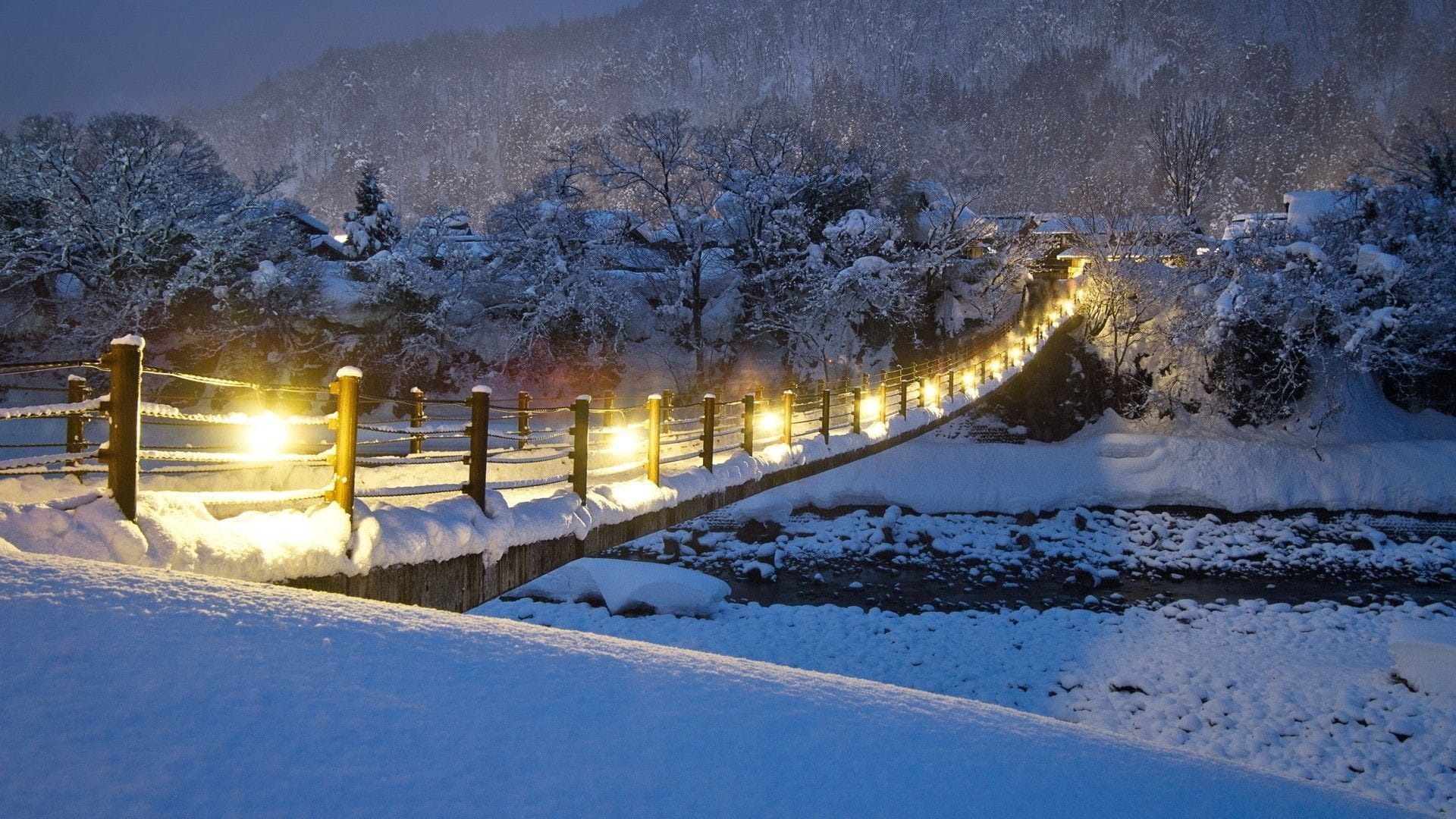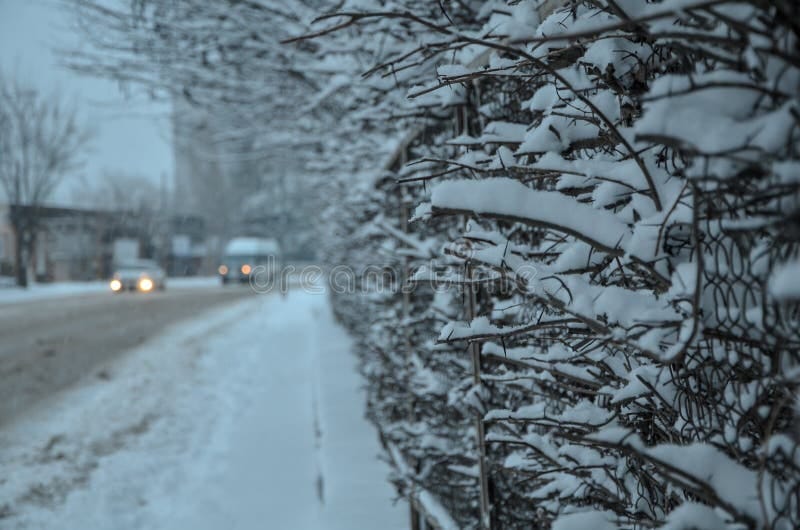
The onset of winter has historically signified a time of cold weather and, in many regions, snowfall. However, this year, an unexpected arctic outbreak has swept across parts of the United States, delivering more than a foot of snow to cities that rarely experience such conditions. This unusual weather event has raised questions about the shifting patterns of climate and weather in regions traditionally characterized by milder winters.
Cities such as Atlanta, Georgia, and parts of the southeastern United States, which are not accustomed to significant snowfall, have found themselves in the midst of a winter wonderland. Reports indicate that some areas received upwards of 12 inches of snow, leading to a myriad of challenges for local residents and authorities alike. The snow has blanketed roads, disrupted public transportation, and caused widespread power outages as heavy snow accumulation weighed down trees and power lines.
The meteorological phenomenon that has led to this unusual snowfall is linked to a significant dip in the jet stream, which has allowed frigid air from the Arctic to plunge southward. This shift has not only brought cold temperatures but has also resulted in the moisture needed for snowfall. Meteorologists have noted that while cold snaps are not uncommon, the extent of the snowfall in areas that typically experience little to no winter weather is a noteworthy occurrence.
As the snowfall continued, many cities declared emergencies to facilitate snow removal and ensure public safety. Local governments mobilized snowplows and emergency services to address the immediate needs of residents. Schools were closed, and many businesses opted to shut down operations to allow employees to stay safe at home. The unusual weather prompted citizens to share their experiences on social media, showcasing the surreal sight of snow-covered landscapes in areas where snow is often a rarity.
In addition to the immediate challenges posed by the snowfall, experts are analyzing the potential long-term implications of such weather events. Climate scientists have been closely monitoring changes in weather patterns and their relationship to broader climate change trends. While a single weather event cannot be solely attributed to climate change, the increasing frequency of extreme weather patterns may suggest a shift in how seasons are defined across various regions.
The economic impact of this winter storm is also a topic of concern. Businesses that depend on foot traffic or outdoor activities faced significant losses during the storm. Conversely, some industries, such as snow removal services and winter sports retailers, may see a temporary boost in demand. As cities work to recover from the storm, the economic ramifications will likely be assessed in the coming weeks.
Residents of these affected cities have had to adapt quickly to the unexpected winter conditions. Many took to social media to share tips on how to navigate the snow, from how to drive safely on slick roads to creative ways to enjoy the snow with family. The sense of community has been palpable, with neighbors helping each other dig out from the snow and share resources.
Looking ahead, meteorologists are keeping a close watch on the weather patterns as the winter season progresses. While it is difficult to predict whether similar events will occur in the future, the recent snowfall serves as a reminder of the unpredictability of weather and the need for preparedness in all regions, regardless of historical weather norms.
In conclusion, the recent arctic outbreak that has delivered substantial snowfall to cities unaccustomed to winter weather highlights the complexities of our changing climate. As communities work through the immediate impacts of this unusual weather, the event also serves as a catalyst for discussions surrounding climate resilience and adaptation strategies. The snowfall, while disruptive, has also fostered a sense of togetherness among residents as they navigate the challenges presented by this rare meteorological occurrence.