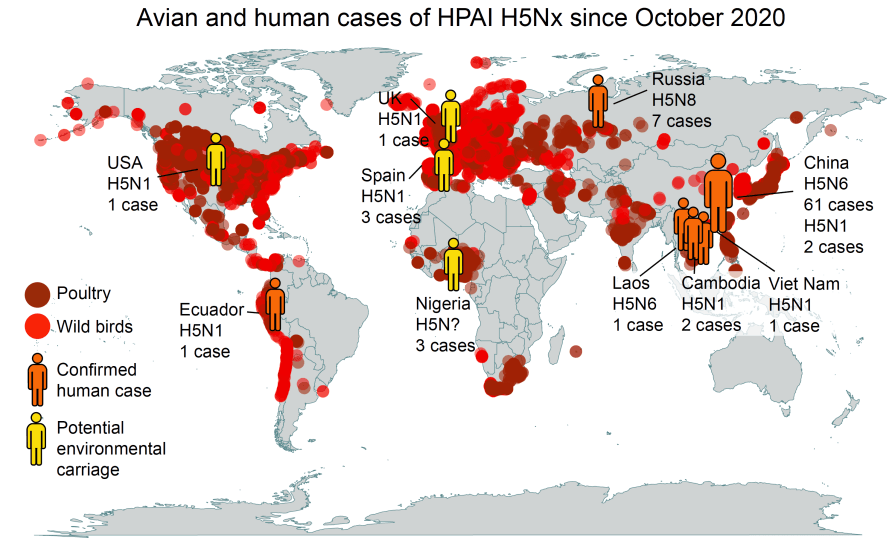
The emergence of infectious diseases poses ongoing challenges to public health authorities worldwide. Recently, the Centers for Disease Control and Prevention (CDC) has drawn attention to a concerning possibility: the potential merging of avian influenza, or bird flu, with seasonal influenza viruses. This warning underscores the need for heightened awareness and preparedness to mitigate the risks associated with such a viral mutation.
Bird flu, primarily transmitted among birds, has sporadically infected humans, leading to severe illness and, in some cases, death. The most notable strains, such as H5N1 and H7N9, have raised alarms due to their high mortality rates in infected individuals. Although human cases remain rare, the CDC’s warning highlights the unpredictable nature of viruses and their ability to adapt and change, particularly through reassortment—a process where two different viruses exchange genetic material.
Seasonal influenza, on the other hand, is a well-known virus that circulates annually, causing widespread illness among humans. While the seasonal flu vaccine is effective in reducing the impact of the virus, it is important to note that the influenza virus is notorious for its ability to mutate. This characteristic makes it imperative for public health officials to remain vigilant in monitoring both seasonal and avian influenza strains.
The CDC’s warning comes in the context of ongoing global surveillance efforts. As the world becomes increasingly interconnected, the potential for viruses to cross species barriers and infect new hosts grows. The merging of bird flu and seasonal flu could create a novel strain that possesses the ability to spread easily among humans. Such a development could result in a pandemic scenario, reminiscent of previous influenza outbreaks that have had profound effects on global health.
Experts emphasize the importance of ongoing research and surveillance to track the evolution of influenza viruses. By understanding the genetic makeup of these viruses, scientists can better predict potential risks and develop effective vaccines. The CDC’s warning serves as a reminder of the need for continued investment in public health infrastructure and research initiatives aimed at preventing outbreaks before they occur.
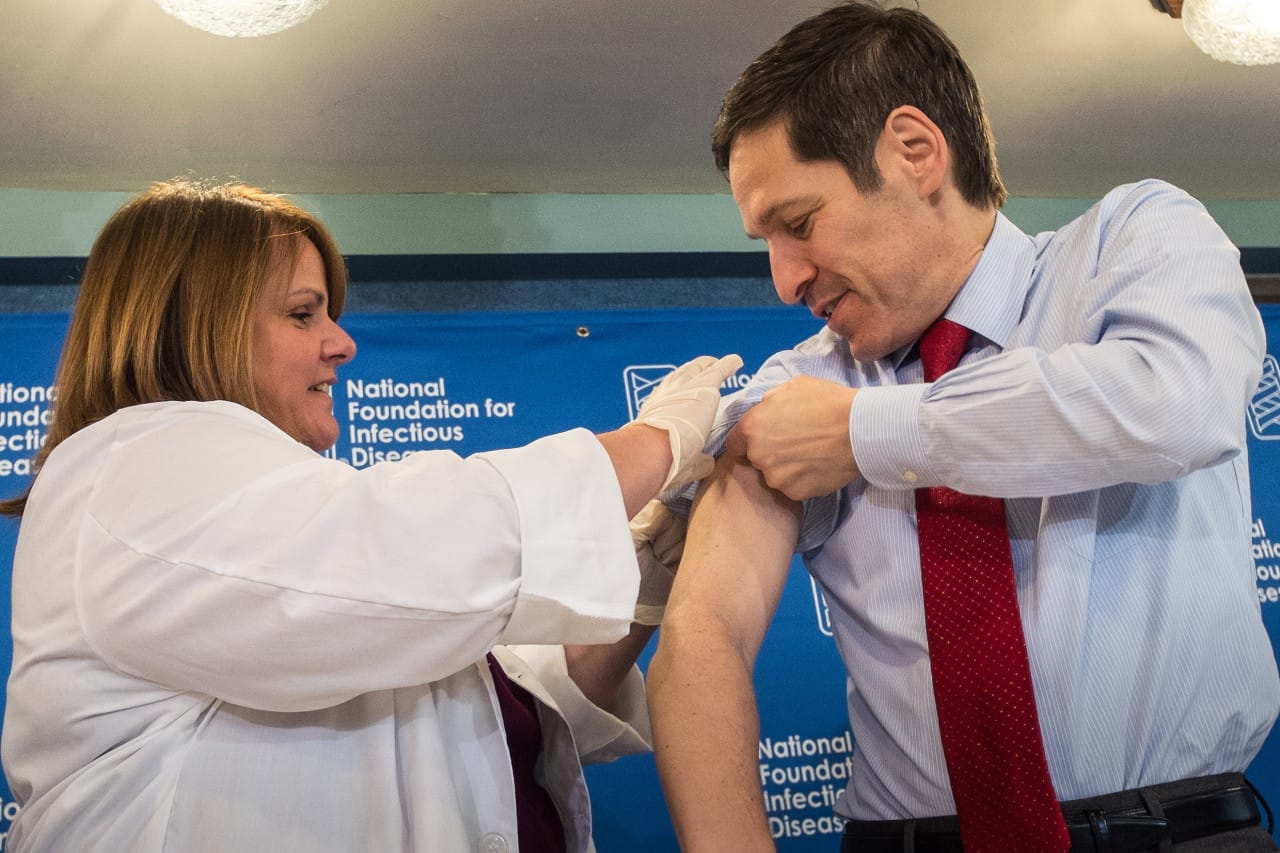
Vaccination remains a cornerstone of influenza prevention. The seasonal flu vaccine is updated annually to match circulating strains, providing a crucial defense against seasonal outbreaks. In the case of avian influenza, there are vaccines available for poultry, which are essential for controlling outbreaks in bird populations. However, the development of a vaccine for a potential hybrid virus would require rapid research and collaboration among scientists, healthcare professionals, and public health officials.
Public health messaging is also critical in addressing the potential risks associated with bird flu and seasonal flu. The CDC encourages individuals to remain informed about flu prevention strategies, including vaccination, hand hygiene, and respiratory etiquette. Additionally, individuals who work with poultry or in environments where avian influenza may be present should adhere to safety protocols to minimize the risk of transmission.
As the CDC continues to monitor the situation, public health authorities worldwide are urged to remain vigilant. Surveillance programs that track both avian and seasonal influenza will play a key role in identifying any potential mutations or reassortments. Early detection and response are essential in preventing the spread of a new virus that could pose significant health risks to the global population.
In conclusion, the potential merging of bird flu and seasonal influenza presents a serious public health concern. The CDC’s warning serves as a timely reminder of the need for ongoing vigilance, research, and preparedness in the face of evolving infectious diseases. By fostering collaboration among scientists, healthcare providers, and public health officials, the global community can work together to mitigate the risks associated with these viral threats and protect public health.