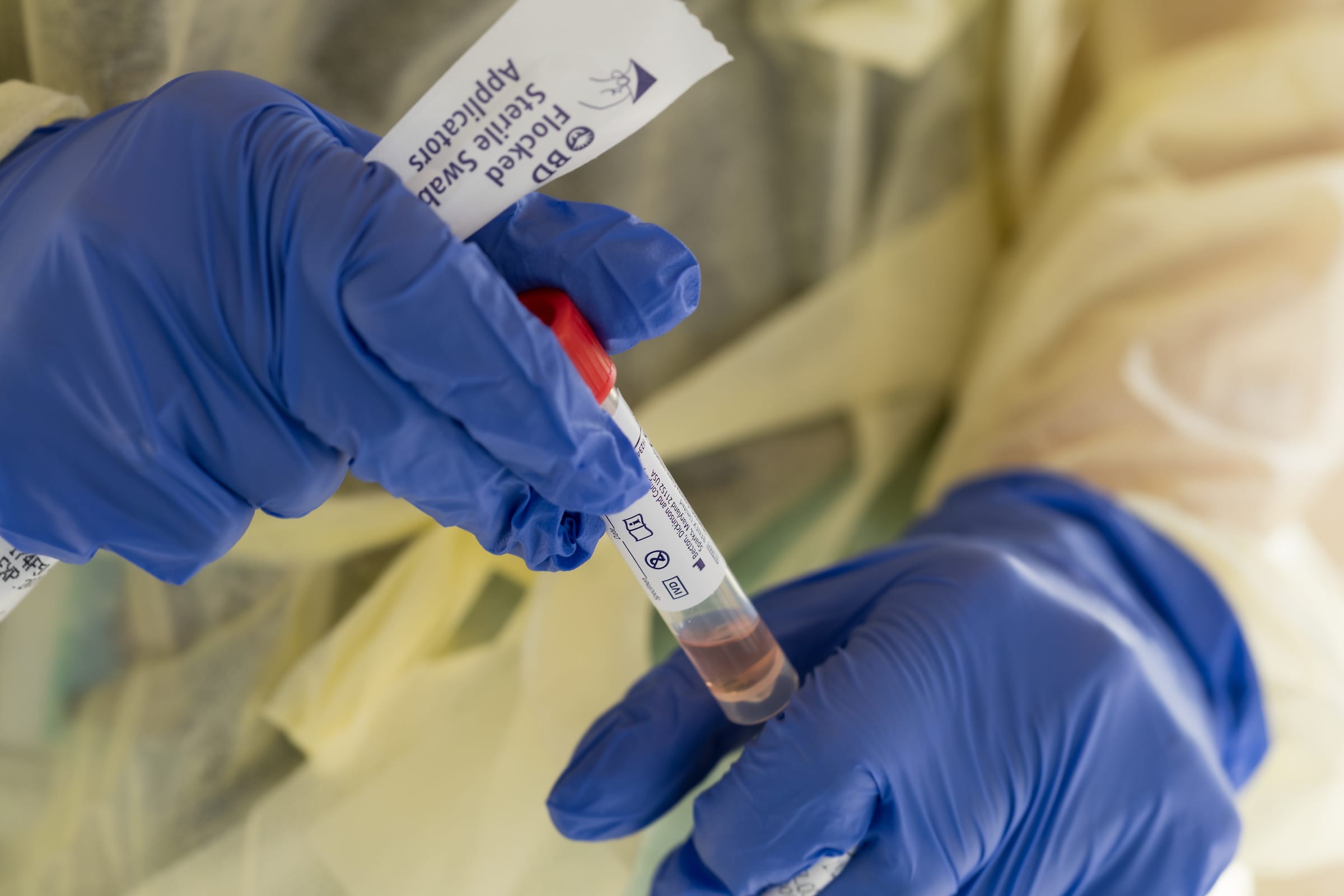
The Human Metapneumovirus (HMPV) outbreak in China has garnered attention due to its implications for public health. HMPV is a virus that primarily affects the respiratory system, causing symptoms similar to those of other respiratory infections. It was first identified in the late 1990s and has since been recognized as a significant cause of respiratory illness, particularly in children and the elderly.
HMPV is part of the Paramyxoviridae family, which includes other well-known viruses such as the respiratory syncytial virus (RSV). The virus spreads through respiratory droplets when an infected person coughs or sneezes. It can also be transmitted by touching surfaces contaminated with the virus and then touching the face. The incubation period for HMPV typically ranges from three to six days, after which infected individuals may begin to exhibit symptoms.
Symptoms of HMPV infection can vary in severity. Common symptoms include fever, cough, nasal congestion, and wheezing. In some cases, particularly among vulnerable populations, the virus can lead to more severe respiratory conditions such as bronchiolitis or pneumonia. This potential for serious illness makes HMPV a virus of concern, especially during times when healthcare systems may already be under strain from other respiratory illnesses.
The recent outbreak in China has prompted health authorities to closely monitor the situation. Reports indicate that there has been an uptick in cases, particularly among children. Health officials are concerned about the potential for HMPV to spread rapidly, especially in densely populated areas and during seasons when respiratory viruses are more prevalent. The Chinese government has initiated measures to contain the outbreak, including increased testing and public awareness campaigns to educate the population about the virus and its transmission.
Preventive measures are critical in managing the outbreak and reducing the spread of HMPV. Health authorities recommend standard hygiene practices, such as frequent handwashing with soap and water, using hand sanitizers, and avoiding close contact with individuals who are showing symptoms of respiratory illness. Additionally, wearing masks in crowded or enclosed spaces can help reduce the transmission of respiratory droplets.
Vaccination for HMPV is not currently available, which emphasizes the importance of preventive strategies. Research is ongoing to develop effective vaccines and treatments for HMPV, but until such measures are available, public health officials stress the importance of awareness and personal responsibility in preventing the spread of the virus.
The outbreak of HMPV in China also raises questions about the broader implications for public health globally. As travel restrictions and international borders begin to reopen, there is a heightened risk of infectious diseases spreading across regions. The situation serves as a reminder of the interconnectedness of global health and the need for ongoing vigilance against emerging pathogens.
In conclusion, the HMPV outbreak in China highlights the importance of understanding respiratory viruses and their potential impact on public health. As health authorities work to manage the situation, it is crucial for individuals to remain informed and adhere to recommended preventive measures. The ongoing research into HMPV will hopefully lead to the development of effective vaccines and treatments in the future, but for now, awareness and hygiene practices remain the best defense against this virus.