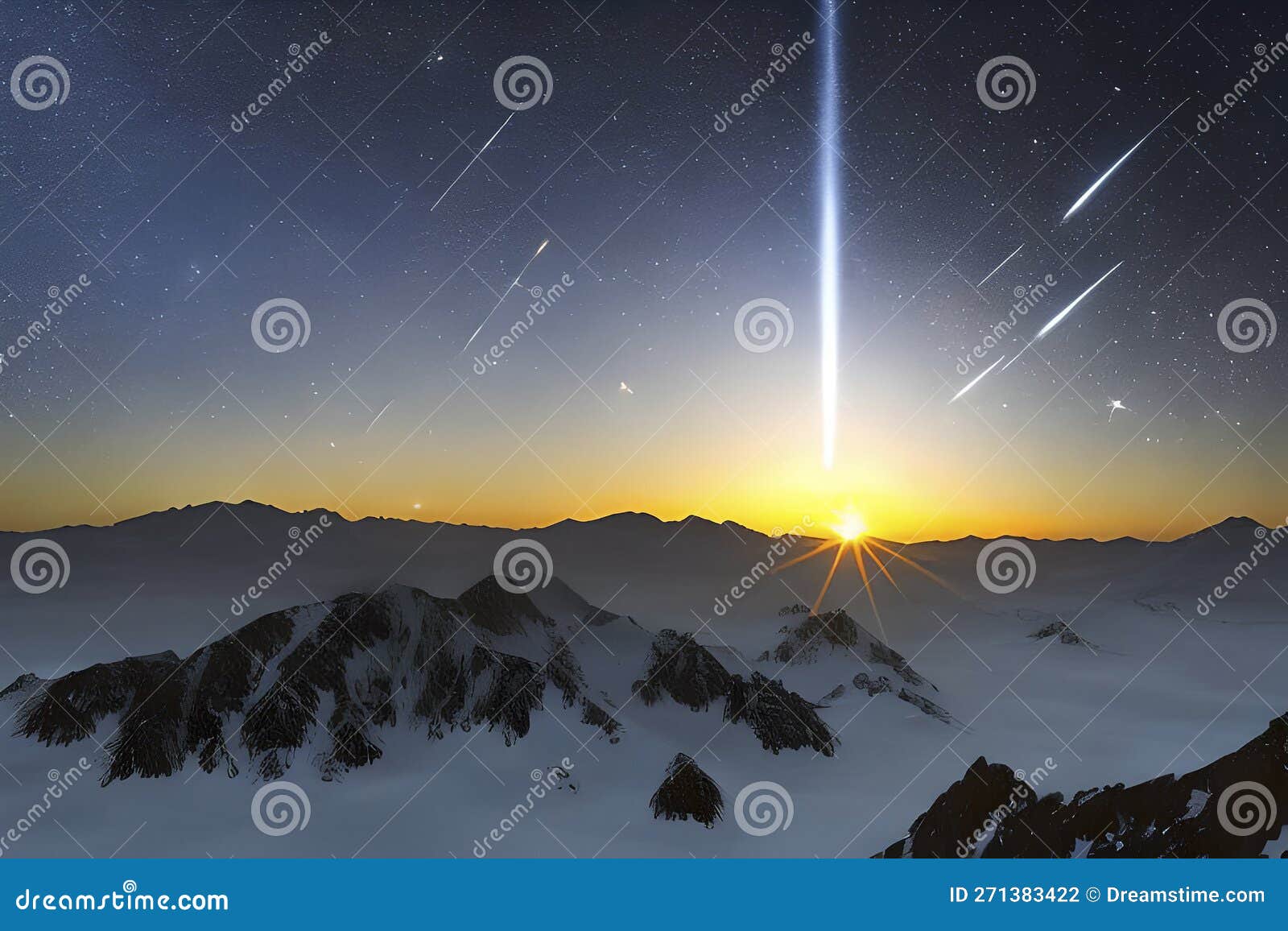
The Quadrantids meteor shower is renowned as one of the strongest meteor showers of the year, captivating stargazers and astronomy enthusiasts alike. Occurring annually from late December to early January, the Quadrantids are known for their bright fireballs and high meteor rates, which can reach up to 120 meteors per hour under ideal conditions. This article will outline the best ways to observe the Quadrantids, including the optimal time, location, and necessary preparations.
To begin, it is essential to understand the origin of the Quadrantids. This meteor shower is associated with the asteroid 2003 EH1, which is believed to be a dormant comet. The meteors are named after the now-defunct constellation Quadrans Muralis, which was located near the border of the constellations Boötes and Hercules. The Quadrantids are unique in that they have a very sharp peak, meaning that the best viewing opportunities occur during a short window of time, typically from January 3 to January 4 each year.
The peak of the Quadrantids usually occurs in the early hours before dawn, making this the optimal time for viewing. For those wishing to catch the best display, it is advisable to find a location away from city lights to minimize light pollution. Dark, open areas such as rural parks, fields, or designated dark-sky locations provide the best viewing conditions. It is also important to consider the weather; clear skies are essential for optimal visibility. Checking local weather forecasts in advance can help ensure that clouds do not obstruct the view.
When planning to observe the Quadrantids, it is recommended to allow the eyes to adjust to the darkness. This process can take about 20 to 30 minutes, during which time the eyes become more sensitive to light, enhancing the ability to see faint meteors. Additionally, bringing along a reclining chair or blanket can make the experience more comfortable, allowing observers to lie back and take in the night sky.
While the Quadrantids can be observed with the naked eye, using binoculars or a telescope is not necessary and may even hinder the experience. Meteor showers are best viewed with the unaided eye, as this allows for a wider field of vision and the chance to see meteors that may appear in various locations across the sky. It is also worth noting that Quadrantids can produce bright fireballs, which are larger and more luminous than typical meteors, making them particularly exciting to observe.
For those interested in capturing the event photographically, there are several tips to keep in mind. Using a camera with manual settings can help achieve better results. A wide-angle lens and a tripod are recommended to stabilize the camera during long exposure shots. Setting the camera to a high ISO and a long exposure time can help capture the fleeting meteors as they streak across the night sky. It is also advisable to take test shots and adjust settings accordingly to achieve the best results.
In addition to the technical aspects of viewing the Quadrantids, understanding the science behind meteor showers can enhance the experience. As Earth passes through the debris field left by the parent body, in this case, the asteroid 2003 EH1, tiny particles enter the atmosphere at high speeds and burn up, creating the bright streaks of light that we see as meteors. The Quadrantids are notable for their fast-moving meteors, which can travel at speeds of up to 41 kilometers per second.
For those who may be unable to view the Quadrantids in person, various online platforms offer live streams of the meteor shower. Astronomy organizations and observatories often provide coverage, allowing enthusiasts to enjoy the spectacle from the comfort of their homes. This can be a valuable option for individuals living in areas with significant light pollution or inclement weather.
In conclusion, the Quadrantids meteor shower offers a remarkable opportunity to witness one of nature’s most awe-inspiring displays. By planning ahead and following the tips outlined in this article, stargazers can maximize their chances of experiencing the beauty of this celestial event. Whether observing with the naked eye or capturing the moment through photography, the Quadrantids are sure to leave a lasting impression on all who take the time to watch.