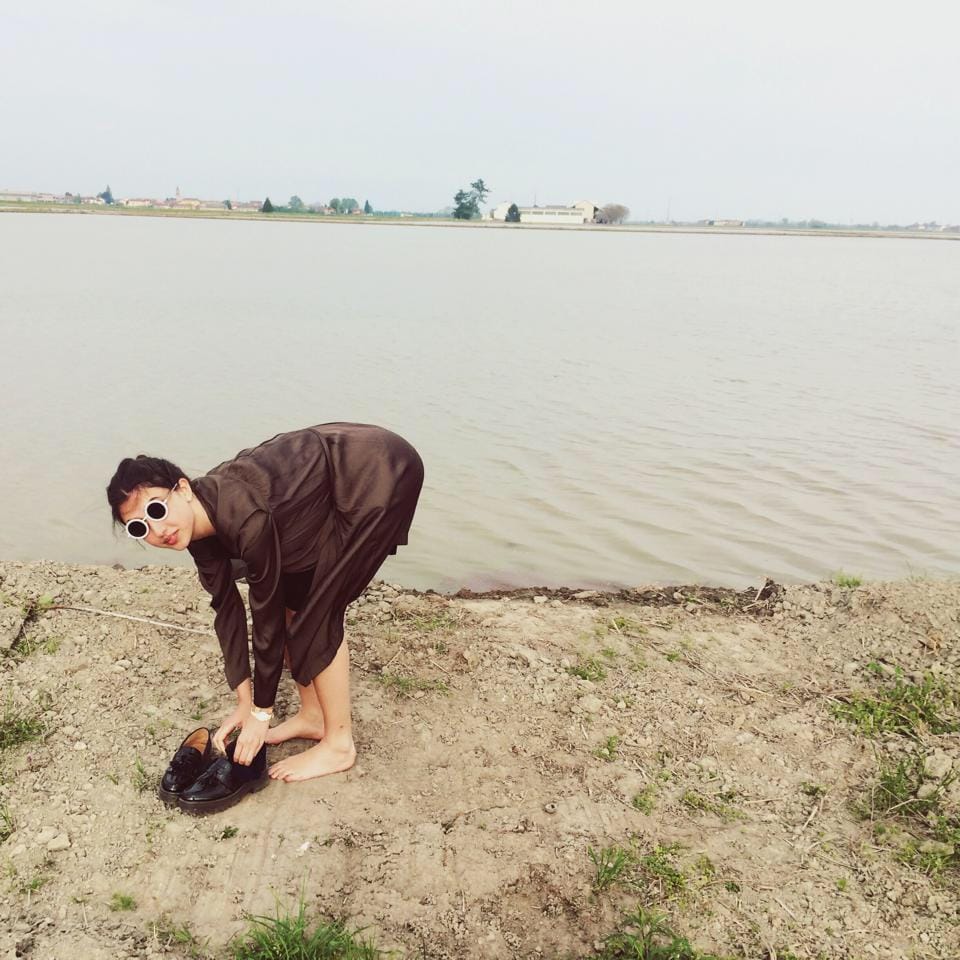
Italy is currently facing a challenging diplomatic landscape as it seeks to secure the release of journalist Cecilia Sala, who has been detained in Iran under controversial circumstances. Sala’s arrest has raised significant concerns among Italian officials and the broader international community, highlighting the intricate balance Italy must maintain between its relationships with the United States and Iran.
Cecilia Sala, a prominent journalist known for her in-depth reporting on Middle Eastern affairs, was detained while covering a story in Iran. Her arrest has prompted an outcry from various human rights organizations, which have called for her immediate release. Sala’s situation has garnered attention not only in Italy but also internationally, as it underscores the risks faced by journalists operating in regions with complex political climates.
Italy’s government, led by Prime Minister Giorgia Meloni, has expressed its commitment to securing Sala’s release while navigating the delicate diplomatic waters between the United States and Iran. The U.S. has been vocal about its concerns regarding Iran’s treatment of foreign nationals, particularly journalists, and has urged its allies to take a firm stance against Tehran’s actions. On the other hand, Iran has reacted defensively to international criticism, often viewing it as interference in its internal affairs.
In this context, Italy’s approach has been characterized by a desire to maintain a neutral position while advocating for the rights of its citizen. Italian Foreign Minister Antonio Tajani has been actively engaged in discussions with both U.S. and Iranian officials to facilitate a resolution. The Italian government has emphasized the importance of diplomacy and dialogue, aiming to de-escalate tensions while ensuring Sala’s safety and well-being.
The situation is further complicated by the broader geopolitical dynamics at play. The United States and Iran have been embroiled in a long-standing conflict, marked by sanctions, military tensions, and a series of diplomatic standoffs. Italy’s role as a mediator in this context is both crucial and precarious, as it seeks to balance its alliances with the U.S. and its historical ties to Iran.
Italy has a history of engaging in diplomatic efforts to resolve international crises, and its approach to Sala’s detention reflects its broader foreign policy objectives. The Italian government is keen to demonstrate its commitment to protecting its citizens abroad while also fostering constructive relationships with other nations. This balancing act is particularly important in light of the ongoing challenges posed by the global media landscape, where journalists often find themselves in precarious situations.
As Italy continues its efforts to secure Cecilia Sala’s release, the situation remains fluid. The Italian government is closely monitoring developments and is prepared to take further diplomatic measures if necessary. Sala’s case has also sparked discussions within Italy about the safety of journalists operating in conflict zones and the need for greater protections for media professionals worldwide.
In addition to diplomatic efforts, there have been calls from various sectors of Italian society for increased awareness and support for journalists facing similar challenges. Advocacy groups have highlighted the importance of press freedom and the role of journalists in promoting transparency and accountability in regions experiencing political turmoil.
The outcome of Italy’s negotiations regarding Cecilia Sala will likely have implications not only for the journalist’s future but also for Italy’s standing in the international community. A successful resolution could enhance Italy’s reputation as a mediator and advocate for human rights, while a failure to secure her release may raise questions about the effectiveness of its diplomatic strategies.
In conclusion, Italy is navigating a complex diplomatic situation as it seeks to secure the release of journalist Cecilia Sala from Iran. The interplay between U.S. and Iranian interests poses significant challenges for Italian officials, who are committed to maintaining a neutral stance while advocating for the rights of their citizen. As the situation evolves, the international community will be watching closely to see how Italy manages this delicate balancing act and the implications it may have for the future of press freedom and international diplomacy.


