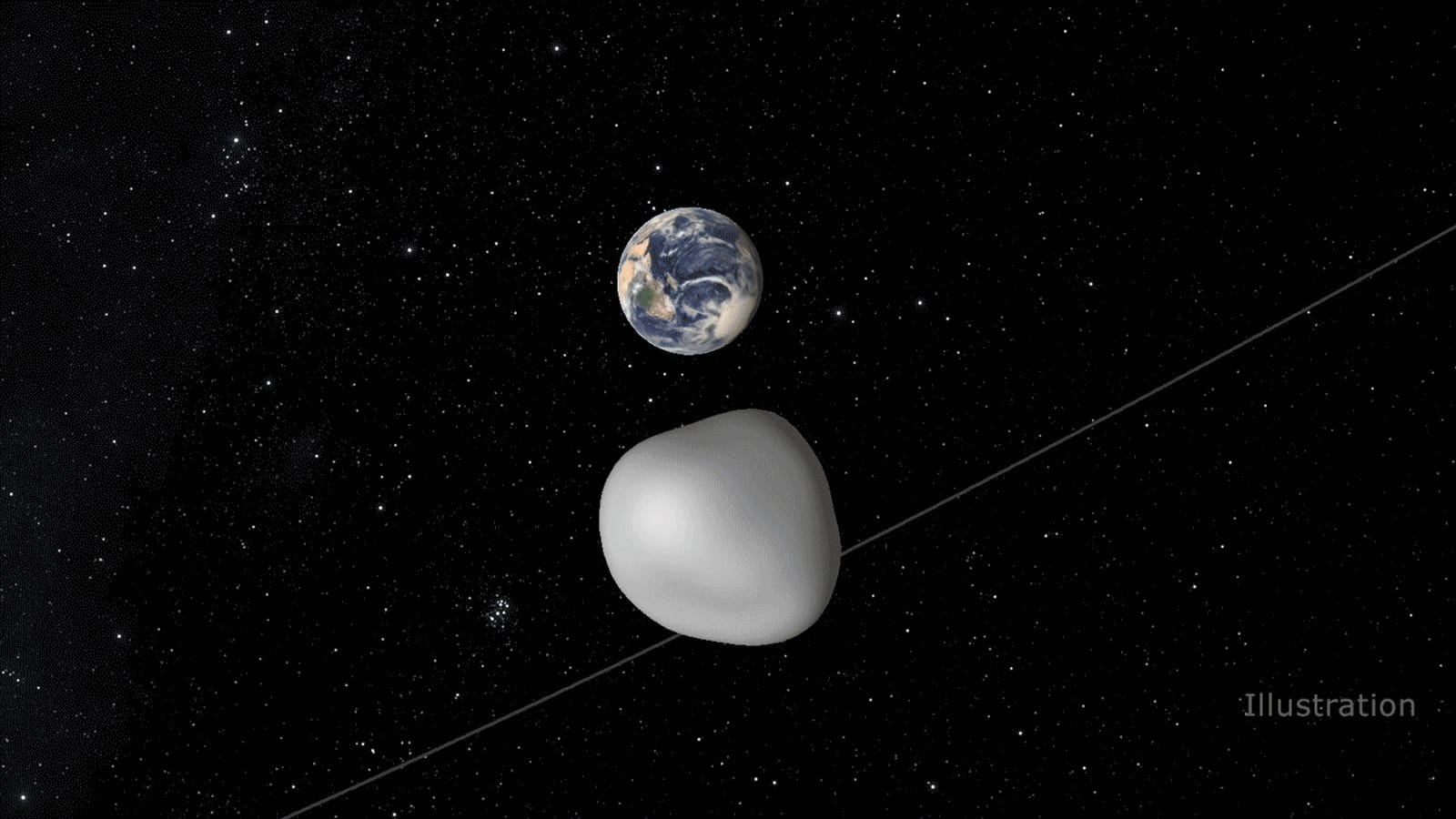
On the night of October 23, 2023, a spectacular asteroid event unfolded over Siberia, captivating both amateur and professional astronomers alike. The asteroid, designated 2023 QW1, was detected by the Pan-STARRS observatory in Hawaii just hours before it illuminated the night sky with a brilliant display. This event has drawn attention not only for its visual splendor but also for the implications it holds for planetary defense and our understanding of near-Earth objects.
Witnesses across Siberia reported seeing a bright flash followed by a series of colorful trails as the asteroid entered the Earth’s atmosphere at high speed. Initial estimates suggest that the asteroid was approximately 10 meters in diameter, and upon entering the atmosphere, it likely disintegrated at an altitude of around 30 kilometers, creating a dazzling fireball.
The rapid detection and tracking of 2023 QW1 highlight advancements in astronomical technology and the importance of global monitoring systems. The Pan-STARRS observatory, known for its wide-field surveys of the sky, played a crucial role in identifying the asteroid before its atmospheric entry. This capability is vital for planetary defense, as it allows scientists to assess potential threats and take necessary precautions.
Experts emphasize that while most small asteroids burn up upon entering the atmosphere, the event serves as a reminder of the importance of vigilance in monitoring near-Earth objects. Dr. Elena Ivanova, an astronomer at the Siberian Federal University, stated, “This event showcases the need for continuous observation of our skies. Even small asteroids can provide valuable data on the composition of celestial bodies and their behavior during atmospheric entry.”
The 2023 QW1 event also raises questions about public awareness and preparedness for potential asteroid impacts. While larger asteroids pose a significant threat, smaller ones can still cause damage, particularly if they were to land in populated areas. Organizations like NASA and the European Space Agency have been actively working on planetary defense strategies, including early detection systems and potential deflection missions.
As the dust settles from this spectacular display, astronomers are analyzing the data collected during the event to gain insights into the asteroid’s composition and trajectory. The information gathered may contribute to future missions aimed at understanding the origins of asteroids and their potential risks to Earth.
In conclusion, the sighting of asteroid 2023 QW1 serves as both a stunning visual experience and a critical reminder of the ongoing need for vigilance in monitoring our cosmic neighborhood. As technology advances, the hope is that we will be able to detect and mitigate potential threats before they reach our planet, ensuring the safety of all inhabitants on Earth.