Tesla, the prominent electric vehicle manufacturer known for its innovative technology and strong market presence, has reported a decline in vehicle deliveries for the year 2024. This marks a notable departure from the company’s previous years of consistent growth and expansion. The announcement has sparked discussions among industry analysts, investors, and consumers regarding the factors contributing to this downturn and its implications for the future of the company and the electric vehicle market as a whole.
In the first quarter of 2024, Tesla delivered a total of 400,000 vehicles, a decrease from the 450,000 deliveries reported during the same period in 2023. This decline of approximately 11% has raised eyebrows, particularly given Tesla’s history of year-over-year increases in deliveries. The company’s CEO, Elon Musk, acknowledged the challenges in a recent earnings call, noting that a combination of factors has influenced the lower delivery numbers.
One of the primary factors cited for the decline is increased competition in the electric vehicle market. As more automakers pivot towards electric vehicles, the market has become increasingly saturated with options for consumers. Traditional automotive giants and new entrants alike are ramping up their production capabilities and introducing a variety of electric models, which has intensified the competition for Tesla. This influx of options may have contributed to a shift in consumer preferences, as buyers now have a wider array of choices in the electric vehicle segment.
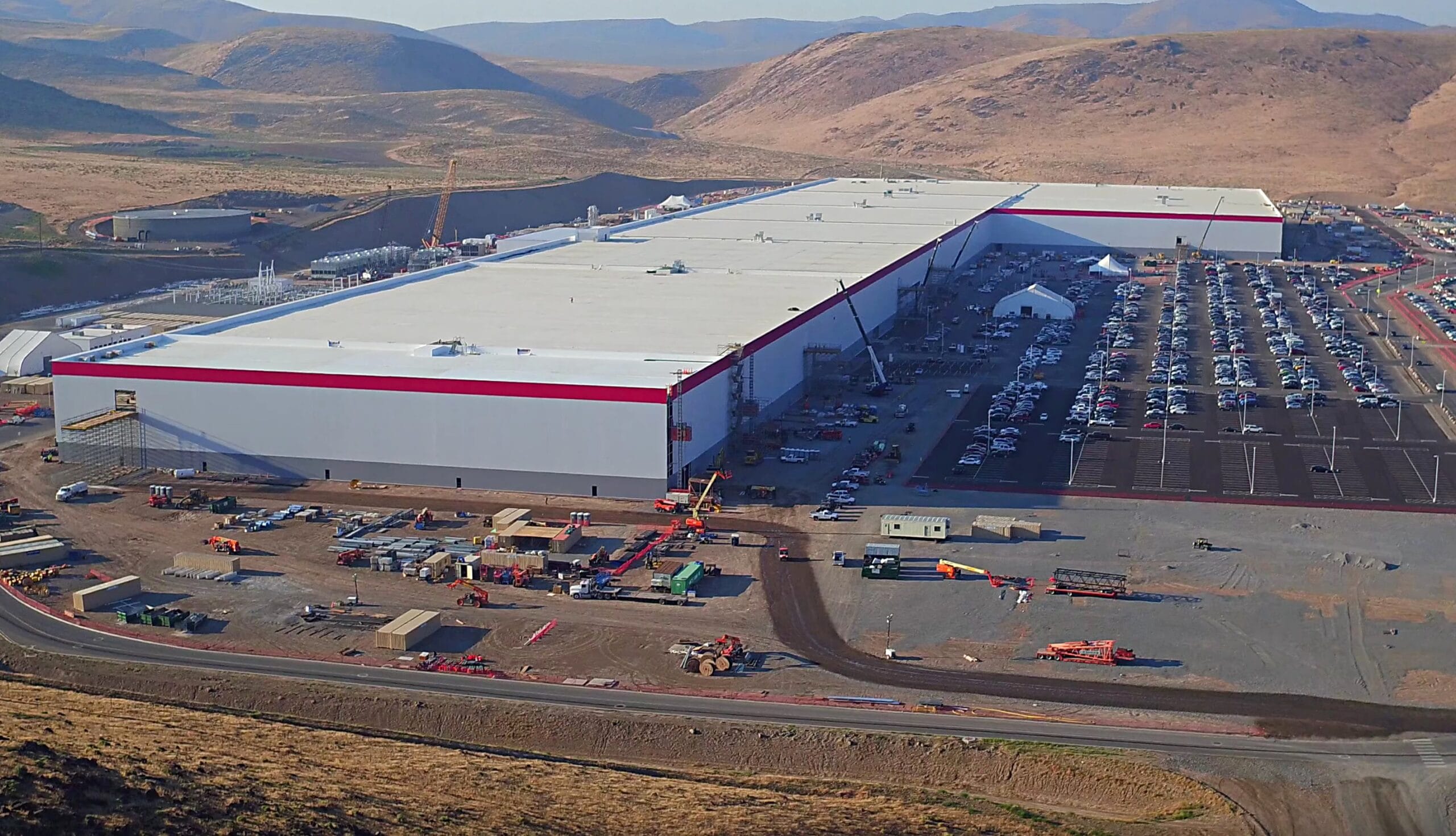
Additionally, Tesla has faced production challenges that have impacted its ability to meet demand. The company has been working to ramp up production at its Gigafactories, particularly in Berlin and Austin, but has encountered delays that have affected its output. Supply chain disruptions, which have plagued many industries since the onset of the COVID-19 pandemic, continue to impact Tesla’s operations. The company has been actively addressing these challenges, but the effects are evident in the delivery figures.
Another contributing factor to the decline in deliveries is the evolving regulatory landscape surrounding electric vehicles. Governments worldwide are implementing new policies and incentives aimed at promoting electric vehicle adoption, but these changes can create uncertainty in the market. Some potential buyers may be waiting for additional incentives or clearer regulations before making a purchase, which could contribute to slower sales.
Despite the decline in deliveries, Tesla remains committed to its long-term growth strategy. The company continues to invest heavily in research and development, aiming to enhance its technology and expand its product lineup. Upcoming models, such as the Cybertruck and the next-generation Roadster, are anticipated to generate significant interest and could help boost deliveries in the coming years. Furthermore, Tesla’s focus on expanding its global presence, particularly in markets such as China and Europe, is expected to play a crucial role in its future growth.
Investors and analysts are closely monitoring Tesla’s performance as the year progresses. While the decline in deliveries is concerning, many believe that the company has the resilience and innovation required to navigate these challenges. The electric vehicle market is still in its early stages, and Tesla’s brand recognition and technological advancements provide it with a competitive edge.
In conclusion, Tesla’s announcement of fewer vehicle deliveries in 2024 marks a significant moment in the company’s history. The decline can be attributed to a combination of increased competition, production challenges, and evolving market dynamics. As the electric vehicle landscape continues to evolve, Tesla’s ability to adapt and innovate will be crucial in maintaining its position as a leader in the industry. The coming months will be critical for the company as it seeks to address these challenges and restore its growth trajectory.