Yellowstone National Park, renowned for its breathtaking landscapes and geothermal features, is also home to one of the most active volcanic systems in the world. A recent study has brought to light the possibility that the volcanic activity within the park may be shifting northeastward. This research, conducted by a team of geologists and seismologists, has significant implications for the understanding of volcanic behavior in this region and the potential risks it poses to both the environment and human activity.
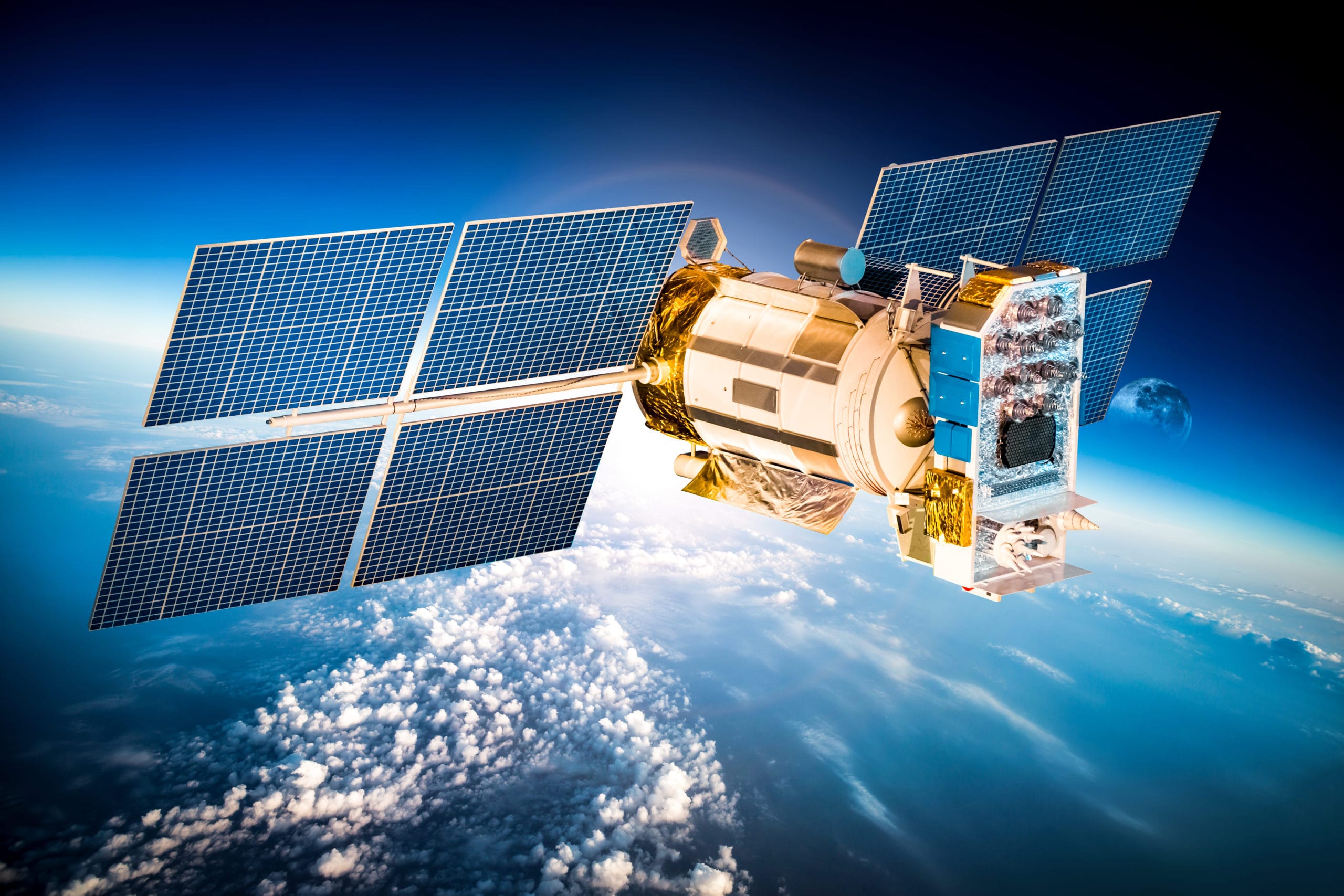
The study utilized a combination of geological data, including satellite imagery and ground-based measurements, to analyze the patterns of seismic activity in and around Yellowstone. Researchers found that there has been a noticeable increase in volcanic activity in the northeastern section of the park. This finding challenges previous assumptions that the volcanic activity was primarily concentrated in the central and southern areas of Yellowstone.
One of the key indicators of this potential shift is the increase in the frequency and intensity of earthquakes in the northeastern region. Historically, this area has experienced fewer seismic events compared to other parts of the park. However, the recent uptick in seismic activity suggests that there may be a new source of volcanic pressure building in the northeast. This change could be attributed to various geological factors, including the movement of magma beneath the Earth’s crust.
The implications of this research are significant. A shift in volcanic activity could alter the landscape of Yellowstone and affect the geothermal features that attract millions of visitors each year. Moreover, understanding the dynamics of this shift is crucial for assessing potential hazards associated with volcanic eruptions. The Yellowstone caldera, a massive volcanic system, has erupted several times in the past, with catastrophic consequences. While the likelihood of an imminent eruption remains low, monitoring these changes is essential for public safety and environmental management.
In addition to the geological implications, this study also raises questions about the broader impact on the surrounding ecosystem. The northeastern region of Yellowstone is home to diverse wildlife and unique habitats. Changes in volcanic activity could influence geothermal features, which in turn could affect the flora and fauna that depend on these environments. Researchers emphasize the need for continued monitoring and research to understand the potential ecological consequences of shifting volcanic activity.
The findings of this study have garnered attention from both the scientific community and the public. Scientists are calling for increased funding and resources to enhance monitoring efforts in Yellowstone. Advanced technologies, such as remote sensing and real-time seismic monitoring, could provide valuable insights into the ongoing changes in volcanic activity. Collaboration between federal agencies, research institutions, and local communities will be essential to ensure that the park remains a safe and accessible destination for visitors while also protecting its unique geological features.
In conclusion, the recent study indicating a potential northeastward shift in Yellowstone’s volcanic activity presents important new insights into the park’s geology. While the immediate risk of a volcanic eruption remains low, the findings underscore the importance of ongoing research and monitoring to better understand the dynamics of this complex volcanic system. As scientists continue to explore the implications of these changes, it is crucial for policymakers and park management to consider the potential impacts on both the environment and the communities surrounding Yellowstone National Park.