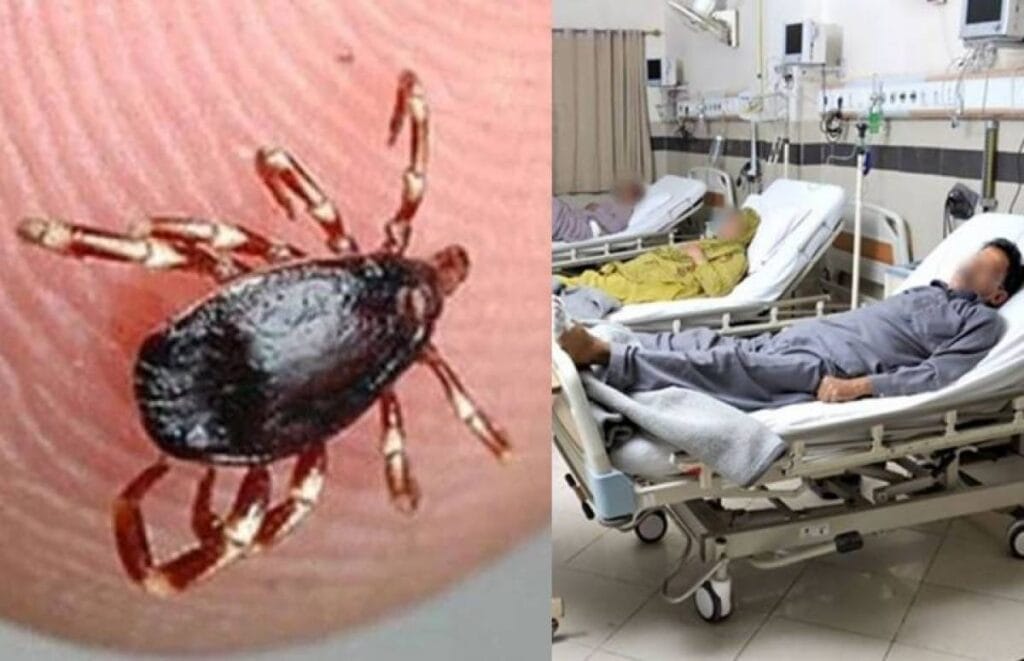
Norovirus, often referred to as the “winter vomiting bug,” is a highly contagious virus that causes gastroenteritis, an inflammation of the stomach and intestines. As we enter the colder months, health officials are reporting a notable increase in norovirus cases across various regions. This surge underscores the importance of public awareness regarding the virus’s symptoms and the measures that can be taken to prevent its transmission.
The symptoms of norovirus typically manifest within 12 to 48 hours after exposure to the virus. The most common symptoms include sudden onset of vomiting, diarrhea, stomach cramps, and nausea. Some individuals may also experience fever, headache, and body aches. While the illness is usually self-limiting and resolves within one to three days, it can lead to dehydration, particularly in vulnerable populations such as young children, the elderly, and individuals with compromised immune systems. Recognizing these symptoms early is crucial for effective management and to prevent further spread of the virus.
Norovirus is primarily transmitted through the fecal-oral route, which can occur in several ways. Contaminated food or water is a common source of infection, particularly when food is handled by an infected person who has not washed their hands properly. Additionally, the virus can spread through direct contact with an infected individual or by touching surfaces contaminated with the virus, such as doorknobs, countertops, and utensils. Given its high transmissibility, norovirus can quickly lead to outbreaks in crowded environments such as schools, nursing homes, and cruise ships.
To prevent catching norovirus, individuals should adopt several key hygiene practices. Handwashing is the most effective way to reduce the risk of infection. It is essential to wash hands thoroughly with soap and water for at least 20 seconds, especially after using the restroom, before preparing or consuming food, and after caring for someone who is ill. Alcohol-based hand sanitizers can be used as an alternative when soap and water are not available; however, they are less effective against norovirus.
Food safety is another critical component in preventing norovirus infections. Individuals should ensure that food is cooked thoroughly and that fruits and vegetables are washed properly before consumption. It is particularly important to avoid consuming raw or undercooked shellfish, which can harbor the virus. Additionally, those who are ill should refrain from preparing food for others until at least 48 hours after their symptoms have resolved.
Cleaning and disinfecting surfaces is also vital in curbing the spread of norovirus. High-touch surfaces should be cleaned regularly, especially in communal areas. If someone in the household is infected, it is important to use a bleach-based cleaner to disinfect surfaces and to wash any contaminated laundry, including bedding and towels, in hot water.
Public health authorities recommend that individuals who experience symptoms of norovirus stay home and avoid contact with others until they have been symptom-free for at least 48 hours. This measure is crucial in preventing further transmission of the virus. In the event of an outbreak, local health departments may provide guidance and support to manage the situation effectively.
As the incidence of norovirus cases rises, it is essential for communities to remain vigilant and proactive in their approach to prevention. Education about the virus, its symptoms, and effective hygiene practices can play a significant role in reducing the risk of infection. By fostering a culture of cleanliness and awareness, individuals can contribute to the overall health and safety of their communities.
In conclusion, norovirus is a highly contagious virus that poses a significant public health challenge, especially during the winter months. Understanding its symptoms and transmission routes is vital for prevention. By adopting rigorous hand hygiene, practicing safe food handling, and maintaining clean environments, individuals can help protect themselves and others from this virus. Staying informed and taking preventive measures can significantly reduce the likelihood of norovirus outbreaks and ensure a healthier community.