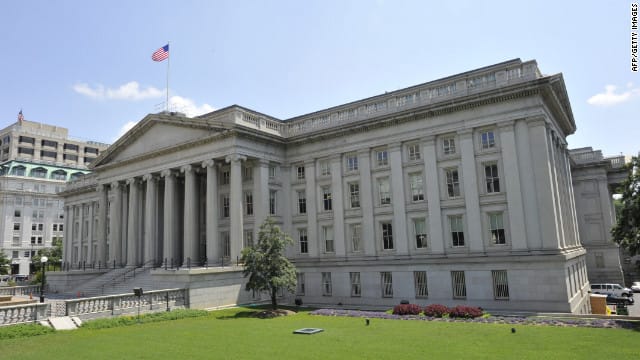
In a significant development, officials from the U.S. Treasury Department have confirmed that the sanctions office has been the target of a cyberattack, allegedly orchestrated by operatives linked to the Chinese government. This breach has raised alarms within the federal government, highlighting vulnerabilities in cybersecurity and the ongoing geopolitical tensions between the United States and China.
The Treasury Department’s Office of Foreign Assets Control (OFAC) is responsible for administering and enforcing economic and trade sanctions based on U.S. foreign policy and national security goals. A cyber intrusion into this office could have far-reaching implications, as it may expose sensitive information regarding sanctions against foreign entities and individuals, potentially undermining U.S. efforts to exert economic pressure on adversaries.
According to sources familiar with the investigation, the breach was detected during routine cybersecurity monitoring. Initial assessments suggest that the attack was sophisticated, employing advanced techniques that point to the involvement of state-sponsored actors. While the exact methods used in the attack are still under investigation, officials have indicated that the breach may have been part of a broader campaign targeting U.S. government agencies.
The implications of this cyberattack are profound. The Treasury’s sanctions office plays a crucial role in shaping U.S. foreign policy, particularly in relation to countries such as Iran, North Korea, and Russia. If sensitive data were compromised, it could provide foreign adversaries with insights into U.S. strategies and decision-making processes, potentially enabling them to counteract sanctions or retaliate in other ways.
In response to the breach, the Treasury Department has stated that it is working closely with other federal agencies, including the Department of Homeland Security and the FBI, to assess the extent of the damage and to implement measures to fortify cybersecurity protocols. Officials have emphasized the importance of safeguarding sensitive information, particularly in light of the increasing frequency and sophistication of cyberattacks targeting government institutions.
This incident is not an isolated event; it reflects a broader trend of cyber espionage and attacks that have escalated in recent years. U.S. intelligence agencies have consistently warned about the growing threat posed by foreign adversaries, particularly China and Russia, in the realm of cybersecurity. The Chinese government has been accused of employing cyber tactics to gain access to sensitive information across various sectors, including defense, technology, and finance.
The timing of this breach is particularly concerning, as it comes amid rising tensions between the United States and China over various issues, including trade, human rights, and territorial disputes in the South China Sea. The U.S. government has been increasingly vocal in its condemnation of China’s cyber activities, which it views as a direct threat to national security.
Furthermore, this incident may have implications for U.S. relations with its allies. Countries around the world are grappling with similar cybersecurity threats, and the breach at the Treasury could prompt a reevaluation of how nations share intelligence and collaborate on cybersecurity initiatives. The need for a unified approach to countering cyber threats has never been more pressing, and this incident may serve as a catalyst for increased cooperation among allies.
In conclusion, the reported hacking of the Treasury Department’s sanctions office by alleged Chinese government officials underscores the urgent need for enhanced cybersecurity measures within U.S. government agencies. As cyber threats continue to evolve and become more sophisticated, it is imperative that federal agencies prioritize the protection of sensitive information and develop robust strategies to mitigate potential risks. The implications of this breach extend beyond the immediate concerns of national security; they also raise questions about the future of U.S. foreign policy and the effectiveness of economic sanctions as a tool of diplomacy.